Creating an Immersive Environment
Casinos are meticulously designed to create an immersive experience that captures the attention of visitors. Upon entering, guests are greeted by a vibrant atmosphere filled with bright colors, dazzling lights, and engaging sounds. The strategic use of color psychology plays a crucial role in this ambiance; hues like red and green not only stimulate excitement but also evoke a sense of urgency. This sensory overload can lead players to lose track of time and money while enjoying online pokies australia real money , which ultimately enhances the gambling experience and encourages prolonged engagement with the games.
Casinos also strategically place high-stakes games in more luxurious settings, creating a perception of exclusivity and high status. This arrangement gives the impression that success is just within reach, enticing players to join in on the action. Observing others winning can reinforce the belief that achieving success is possible, further igniting the desire to participate. As players witness others hitting jackpots, they may make impulsive decisions without fully considering the odds, driven by the excitement of the moment.
Sound design is another critical element in the casino environment. The joyous chimes of winning slots or the clinking of coins creates a positive reinforcement loop, conditioning players to associate these sounds with success. This auditory feedback encourages them to keep playing, as they yearn to recreate those winning moments. Thus, the sensory elements of a casino work in tandem to foster an environment that captivates visitors and encourages them to spend more time and money.
The Illusion of Control
One of the most compelling psychological tactics employed by casinos is the illusion of control. Many players believe they can influence the outcomes of games, particularly in games like blackjack and roulette, where decisions are made based on perceived skill or strategy. This false sense of empowerment can lead players to feel more engaged and willing to wager their money, even when the odds are significantly tilted in favor of the house.
This illusion is particularly pronounced in skill-based games. For example, poker players often feel that their skill can outshine luck, which keeps them invested in the game. Although luck plays a substantial role in gambling, the belief that one can make strategic decisions to overcome chance is compelling. This mindset can lead players to ignore the inherent randomness of these games and continue playing in hopes of a favorable outcome.

Additionally, casinos often present various betting strategies that appear to give players control over their stakes, such as progressive betting systems. These methods allow players to believe that adjusting their bets could enhance their chances of winning. By fostering this mindset, casinos encourage extended gambling sessions, which can often lead to increased losses as players pursue what they perceive to be a winning strategy. The psychological grip of this illusion serves to prolong engagement and ultimately benefits the casino.
Reward Systems and Player Loyalty Programs
Reward systems are a fundamental aspect of casino strategy, designed to motivate players to return. By implementing loyalty programs that offer points, bonuses, and exclusive perks, casinos tap into the psychological principle of reciprocity. This principle suggests that when individuals receive something, they feel compelled to give back, often leading to increased gambling activity. Players may perceive that they are winning by accumulating rewards, while in reality, these programs are designed to keep them gambling longer.
For instance, complimentary meals or hotel stays can create a sense of loyalty and attachment to the casino. This perceived value fosters a desire to return for more experiences, as players often overlook their losses in light of the benefits associated with loyalty rewards. By establishing this dependency on rewards, casinos maintain a steady stream of returning customers who are motivated by the prospect of gaining more perks.
Furthermore, the element of surprise in reward systems can significantly enhance player satisfaction. Spontaneous bonuses or random gifts can trigger the brain’s dopamine response, reinforcing the association between gambling and pleasure. This biological reaction not only cultivates excitement but also strengthens the connection between casino visits and happiness. Consequently, players may disregard the odds of losing in favor of the thrill of chasing the next reward, sustaining their gambling behavior.
Social Proof and Peer Influence
Social proof is another potent psychological trick that casinos leverage to enhance player engagement. The behavior of others can heavily influence individual decision-making, and casinos skillfully create environments that foster this principle. When players observe others winning or enjoying themselves, they are more likely to feel compelled to join in, believing that luck could be on their side as well. This herd mentality often encourages more gambling, as individuals feel validated by the actions of their peers.
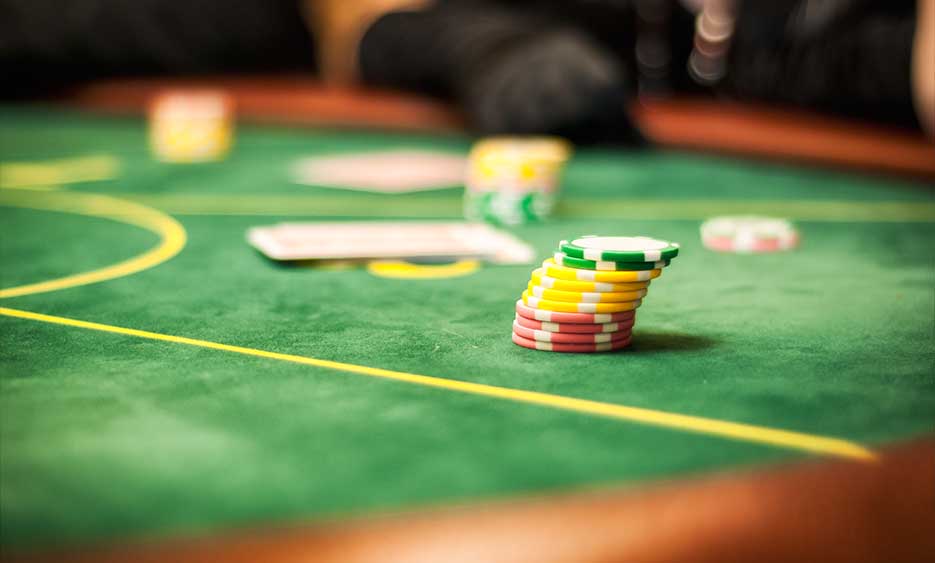
The social dynamics within casinos can cultivate a sense of community among gamblers. This camaraderie can serve as a powerful motivator, as players are more likely to take risks when they feel supported by a group. Celebrating wins collectively further amplifies this effect, encouraging players to engage in gambling activities they might otherwise avoid if they were alone. The shared excitement creates a feedback loop that fosters continued participation.
Additionally, casinos often highlight ‘hot tables’ and ‘hot slots’ to manipulate perceptions of success. By showcasing games that are currently experiencing winning streaks, they attract more players, reinforcing the belief that success is more likely in such environments. This clever use of social proof demonstrates how casinos can effectively steer player behavior by capitalizing on the natural tendency to follow the crowd, ultimately increasing the likelihood of ongoing gambling activity.
Understanding Casino Websites and Online Gambling Psychology
As the gambling landscape has expanded into the digital realm, casino websites have adopted similar psychological tricks to maintain user engagement. Online casinos utilize immersive graphics, themed gameplay, and engaging interfaces to captivate users from the moment they land on the site. By creating a virtual environment that mirrors the excitement of physical casinos, these platforms aim to keep players entertained and invested in their experience.
Moreover, online casinos often employ personalized marketing techniques tailored to individual players based on their past behavior and preferences. This targeted approach fosters a sense of connection and relevancy, making players feel valued and special. By providing promotions and bonuses that resonate with a player’s unique gaming habits, online casinos encourage frequent returns and continued participation in various games, similar to the loyalty strategies of their physical counterparts.
Furthermore, the convenience of online gambling adds another layer of temptation. Players can access these platforms from anywhere, which increases the likelihood of impulsive betting behavior. The instant nature of online games, combined with the lack of physical cues that typically signal a break in play, can lead to extended gambling sessions. As a result, online casinos expertly navigate the psychological landscape to keep users engaged and invested, capitalizing on the unique advantages of the digital environment.