The Psychology Behind Casino Games
Casino games are intricately designed to engage players on various psychological levels. The thrill of chance and the unpredictability that accompanies these games creates an exhilarating rush that captivates players. This stimulation often leads to the release of dopamine, a neurotransmitter linked to pleasure and reward. Many players enjoy exploring options like neosurf australia casino , which adds another layer of excitement to the experience. The psychological aspect forms a compelling feedback loop, where players continually chase the high of winning, reinforcing their desire to keep playing, even when faced with losses.
In addition to the inherent excitement of the games themselves, the casino environment significantly amplifies this psychological allure. The ringing of slot machines, the vibrant lights, and the overall atmosphere are intentionally crafted to heighten excitement and entice players. This sensory overload fosters an immersive experience that can make it challenging for individuals to resist the allure of gambling, often overshadowing their awareness of the unfavorable odds. The allure of potentially winning a large sum can further intensify the addiction, compelling players to return for more, hoping for that elusive jackpot.
Moreover, cognitive biases often cloud players’ judgment, influencing their perception of winning. For instance, the gambler’s fallacy leads individuals to believe they can predict future outcomes based on previous results. This misbelief can propel players to continue their attempts, convinced that a win is imminent. Such patterns can create a cycle of play that continually reinforces their desire to gamble, even when the odds are stacked against them, illustrating the complex interplay between psychology and gambling behavior.
The Role of Reward Systems
Reward systems play a crucial role in the appeal and addictiveness of casino games. Many games utilize a fixed schedule of reinforcement, providing rewards intermittently. This unpredictability of when payouts will occur is particularly enticing; players remain engaged, hoping for that next win. When someone wins after a series of losses, the emotional high can be profoundly satisfying, often leading to extended play sessions. This intermittent reinforcement is a powerful mechanism that casinos leverage to keep players returning for more.
Additionally, many casinos implement loyalty programs that reward frequent players with bonuses, free plays, or exclusive offers. These incentives create a compelling reason for players to continue gambling, as they may feel compelled to play more to earn these rewards. Essentially, these reward systems not only enhance the gaming experience but also foster a desire to keep playing. This often leads individuals to spend more than they initially intended, as they become engrossed in the pursuit of rewards and recognition.
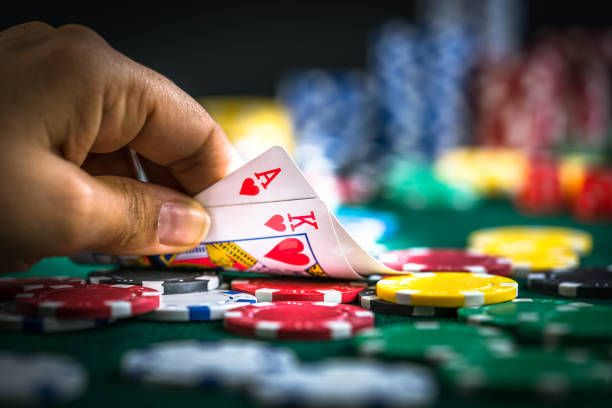
The excitement of winning and the possibility of substantial payouts create a unique emotional attachment to the games. The thrill of a life-changing jackpot or even a modest win can drive players to engage in repeated gambling behaviors, often leading them to prioritize gaming over other essential aspects of life. Such attachment can result in detrimental financial decisions, as players chase after the next big win, unaware of the potential consequences of their actions.
The Social Aspect of Gambling
Casinos offer a vibrant social environment that can significantly enhance the thrill of gambling. Many individuals relish the camaraderie found in gaming establishments, where the collective excitement of winning can be shared among friends or even strangers. Interactive formats like community games and poker tables foster connections that enrich the overall experience. The combination of social interaction and the adrenaline rush of betting can create a euphoric state, compelling players to return for more of that shared excitement.
This social aspect can also lead individuals to engage in behaviors they might not typically exhibit when gambling alone. The influence of peers can encourage players to gamble beyond their means, driven by the desire to fit in or impress those around them. Furthermore, the group dynamics within casinos can provide a sense of safety, reinforcing players’ choices to continue gambling as they witness others enjoying the same experience. This shared engagement can further entrench them in their gambling habits.
Moreover, many casinos capitalize on this social factor by hosting events and tournaments, allowing players to compete against one another. Such events foster a sense of community among gamers, which can be invaluable. The feeling of belonging to a larger group often keeps players invested in the gaming experience, contributing to the addictive nature of gambling. This communal bond turns gaming into a shared adventure, making it even more challenging for individuals to walk away.
The Emotional Roller Coaster of Gambling
The emotional highs and lows associated with gambling are both thrilling and deeply addictive. Players often find themselves experiencing a roller coaster of feelings, from the exhilaration of a near win to the despair of losing. These emotional peaks and valleys are what keep players engaged, as they pursue the euphoric highs tied to winning while attempting to navigate the lows of losing. This dynamic can lead to a form of escapism, where players immerse themselves in the gambling experience to temporarily forget their everyday concerns.

Additionally, having control over one’s bets can create an illusion of autonomy, allowing players to feel as though they can influence their outcomes. This sense of control is incredibly appealing, providing a semblance of power in an otherwise unpredictable environment. However, this illusion can also perpetuate a cycle of play, as individuals may mistakenly believe they can manipulate luck in their favor, even when the odds are not in their favor.
The thrill of gambling can lead to risk-taking behaviors, where the desire for the next win overshadows rational thinking. This emotional intensity blurs the lines between enjoyment and addiction, making it difficult for individuals to recognize when their play has shifted from a casual pastime to a compulsive habit. The constant pursuit of emotional highs can trap individuals in a cycle of continuous play, where each gaming session promises the possibility of the next big win, further entrenching them in their gambling behaviors.
Your Resource for Understanding Casino Games
If you’re curious about the dynamics of casino games and their addictive qualities, our website serves as a comprehensive resource. We delve into various aspects of gambling, from the psychology that drives players to the social implications of casino environments. Understanding these elements can not only enrich your gaming experience but also promote responsible gambling practices, ensuring that players can enjoy their time without falling into destructive habits.
Our platform offers in-depth articles, expert analyses, and insights into the latest trends in the gaming industry. Whether you are a casual player or a seasoned gambler, you will find valuable information that enhances your understanding of what makes casino games so captivating. Engage with us as we explore the intricate layers of gambling culture and the thrill it brings to millions worldwide, providing you with the knowledge to navigate this exhilarating landscape safely.
With a commitment to promoting awareness around responsible gaming, we aim to provide a balanced view of gambling. Casino games can undoubtedly be entertaining and thrilling, but understanding the associated risks is essential for enjoying them responsibly. Join us as we delve into this fascinating world and discover how to engage with casino games in a way that prioritizes both enjoyment and safety.